Scientific Advisors

Roman Thomas, MD
Founder & Founding CEO
Roman Thomas, MD
Founder & Founding CEO
Roman is Director of the Department of Translational Genomics and Professor at the University of Cologne.
As an avid biotech entrepreneur, Roman founded NEO New Oncology in 2012 (acquired by Siemens in 2016), PearlRiver Bio in 2019 (acquired by Centessa in 2021) and Epiphanes Inc. in 2019. His scientific focus is on the characterization of cancer genome alterations and their relevance for diagnosis and treatment of patients. Roman has a particular interest in lung cancer and leads the worldwide largest research initiative on small cell lung cancer.
Roman obtained his medical degree from the University of Cologne and performed postdoctoral work at the Broad Institute of M.I.T. and Harvard.
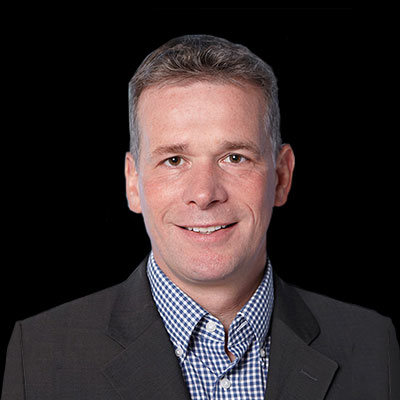
Bernd Wollscheid, PhD
Co-Founder
Bernd Wollscheid, PhD
Co-Founder
Bernd is a Professor of Molecular Health and Head of the Institute of Translational Medicine at the Department of Health Sciences and Technology at ETH Zürich, Switzerland. Dr Wollscheid is also the Chairman of EC of the ETH domain Strategic Focus Area, “Personalized Health and Related Technology (PHRT)”. Bernd has pioneered next-generation technologies at the intersection of biology, chemistry, medicine, and bioinformatics, thus enabling insights into molecular nanoscale organization and their impact on cellular function and therapy.
Bernd studied Chemistry and holds a Ph.D. in Molecular Immunology from the Max Planck Institute of Immunobiology in Freiburg, Germany. He performed post-doctoral research at the Institute of Systems Biology, Seattle, USA.
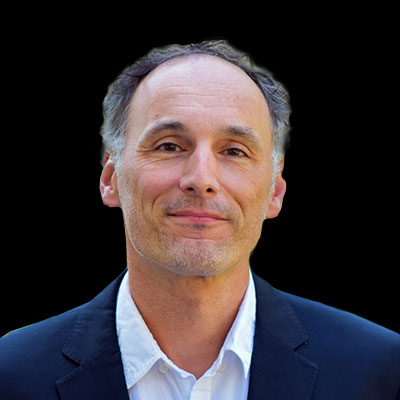
Julien Sage, PhD
Co-Founder
Julian Sage, PhD
Co-Founder
Julien is a Co-founder of DISCO Pharmaceuticals. He is currently the Elaine and John Chambers Professor in Pediatric Cancer and a Professor of Genetics at Stanford University. He has been awarded a Damon Runyon Cancer Research Foundation Scholar Award, a Leukemia and Lymphoma Society Scholar Award, and an R35 Outstanding Investigator Award from the National Cancer Institute. Julien’s work has focused on the RB tumor suppressor pathway and how inactivation of RB promotes tumorigenesis in children and adult patients.
Julien holds a PhD in Developmental Biology from the University of Nice, France. He did his post-doctoral fellowship at the Massachusetts Institute of Technology, Cambridge, USA.
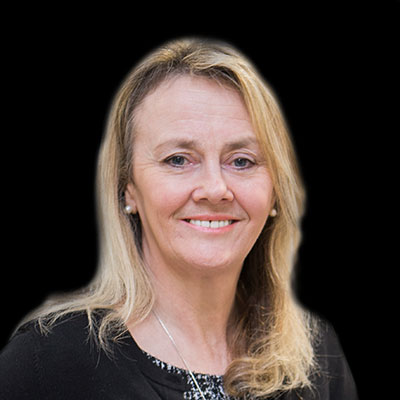
Caroline Dive, CBE, PhD, FBPhS, FMedSci
Caroline Dive, CBE, PhD, FBPhS, FMedSci
Caroline is currently the Interim Director of the CRUK Manchester Institute and Director of the CRUK Cancer Biomarker Centre, where she leads research spanning tumor biology, preclinical pharmacology, biomarker discovery, biomarker assay validation and clinical qualification to regulatory standards, bioinformatics, biostatistics and most recently, digital clinical trials.
Caroline established her own group at Aston University’s School for studying mechanisms of drug induced tumour cell death prior to moving to The University of Manchester to continue this research. Caroline was awarded a Lister Institute of Preventative Medicine Research Fellowship before joining the CRUK Manchester Institute in 2003.
Caroline completed her PhD in Experimental Cancer Therapeutics at University of Cambridge.
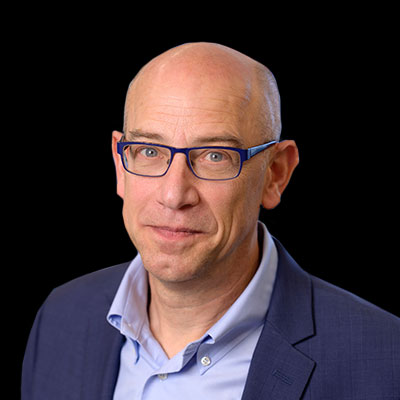
Charles Rudin, MD, PhD
Charles Rudin, MD, PhD
Charles is the Deputy Director of Memorial Sloan Kettering Cancer Center, Chief of the Thoracic Oncology Service, and holds the Sylvia Hassenfeld Chair in Lung Cancer Research. His research program spans basic discovery science, preclinical modeling, therapeutic target identification, first-in-human clinical testing, and leadership of definitive national and international phase 3 studies. He has a particular interest in small cell lung cancer and has chaired the NCI Small Cell Lung Cancer Research Consortium, a national network of lab investigators studying this aggressive disease, since its inception.
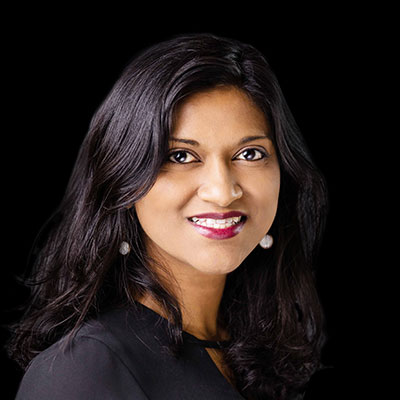
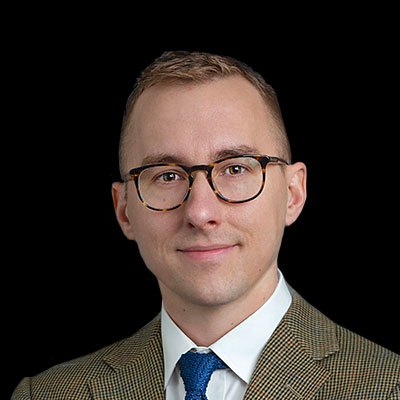
John Poirier, PhD
John Poirier, PhD
John (J.T.) is an Assistant Professor of Medicine at the New York University Grossman School of Medicine. He is the Director of the Perlmutter Cancer Center Preclinical Therapeutics Program, which focuses on acquiring viable human tumor cells from the clinic for the development of advanced cancer models and on testing experimental cancer therapeutics in the preclinical setting.
His laboratory has made significant contributions to our understanding of the key molecular characteristics of small cell lung cancer, nominated candidate drug targets, and elucidated mechanisms that govern response to treatment as well as those that contribute to the development of acquired treatment resistance.
J.T. obtained his doctoral degree in Cellular and Molecular Medicine from the Johns Hopkins University School of Medicine where he subsequently completed a postdoctoral fellowship in the Department of Pharmacology.
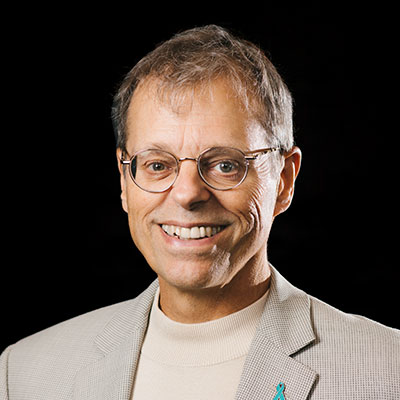
John Lambert, PhD
John Lambert, PhD
John is an experienced independent consultant in the biotechnology industry where he advises a number of Biopharma and Pharma companies, and some VC firms, on ADC technologies and ADC development.
John spent over 28 years at ImmunoGen where he held a number of leadership roles, most recently as EVP and CSO. During his time at ImmunoGen, the Company invented the ADC technology that ultimately resulted in the Genentech/Roche drug, KADCYLA® (approved in 2013 for treating HER2+ breast cancer) as well as numerous other ADCs taken into clinical development.
John is the author/co-author of over 125 peer-reviewed scientific publications, was elected as a Fellow of the American Institute for Medical and Biological Engineering and was appointed an Honorary Professorship at Queen’s University Belfast.
John holds a BA and PhD in Biochemistry from University of Cambridge and completed post-doctoral training at the University of California, and the University of Glasgow.
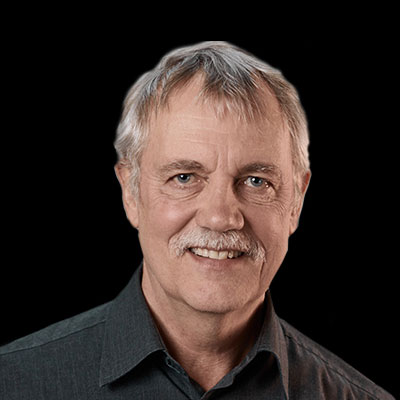
Rudolf Aebersold, PhD
Rudolf Aebersold, PhD
Rudolf (Ruedi) is a pioneer in the field of proteomics. He has co-founded several companies and holds multiple public service appointments, including The Institute for Systems Biology in Seattle along with Lee Hood and Alan Aderem and The Institute of Molecular Systems Biology at ETH Zürich.
The research focus of the Aebersold group was the proteome. The group pioneered several widely used techniques and generated open access/open-source software and statistical tools that contribute to making proteomic research results more transparent, reproducible and accurate and, when applied, advanced the understanding of molecular processes in basic biology and clinical research. The group’s work was recognized with numerous national and international awards.
Ruedi entered emeritus status in 2021 and now serves as a member of the board of trustees of several foundations that support life science research.
Ruedi trained and obtained his PhD at the Biocenter, University of Basel, Switzerland and completed postdoctoral research at Caltech.